

WHEN PRESSURE RISES, BEHAVIOR FAILS FIRST
Engineered for High-Pressure Decision Systems
What breaks first under pressure is not structure — it is behavior. NAP identifies and recalibrates the invisible patterns that erode clarity, coordination, and decision integrity long before systems fail.
The Invisible Layer That Determines Performance
Organizations don’t collapse because of weak strategy. They collapse because pressure alters how teams interpret information, prioritize actions, and coordinate decisions.
These distortions appear quietly, deep inside technical workflows — months before KPIs reveal the damage.
NAP intervenes at that unseen layer, where cognitive load, ambiguity, and micro-misalignments silently reshape execution.
If you can’t see how pressure reshapes behavior, you can’t control performance.


How Pressure Fractures Systems From the Inside Out
The Pressure Thesis™
Pressure is not an external condition. It is a behavioral amplifier.
It magnifies hesitation, accelerates misalignment, and destabilizes processes once considered stable.
Under pressure, complex B2B systems experience:
- Fragmented decision loops
- Reactive execution patterns
- Escalation spirals
- Commercial instability
Systemic failure begins long before leaders detect it.
NAP’s Methodology was engineered to intercept this deterioration before the tipping point.
Why Performance Breaks Where Most Interventions Operate
Most performance interventions fail under pressure because they operate at the wrong level.
When pressure rises, performance doesn’t break at the process level. It breaks at the behavioral decision layer. Most interventions optimize people, skills, or workflows — assuming stability. NeuroArt Performance™ was engineered for the opposite condition: Pressure.
Below is the structural difference

The behavioral system Under Pressure
This framework maps how pressure reshapes decision-making, coordination, and execution before failure becomes visible. It allows organizations to detect where they are breaking — not by symptoms, but by behavioral structure.
This framework reveals that behavior — in real time.
NeuroArt Performance™
Collapse Diagnostic Framework
Predictive framework that identifies hidden patterns of organizational deterioration before symptoms become visible to traditional methods.
Collapse Progression Phases
Latent
Invisible to traditional diagnostics
Tension
Perceived as normal pressure
Fracture
Contained but visible crisis
Collapse
Inevitable cascading failure
Diagnostic Dimensions
Decision Distortion
How pressure warps critical decision-making processes
Key Indicators
• Information systematically omitted
• Decision reversals under stress
• Decisions postponed indefinitely
Behavioral Coherence
Alignment between stated values and observable behaviors under pressure
Key Indicators
• Exception behaviors normalized
• Micropolitics vs. collaboration
• Psychological safety signals
System Integrity
System's capacity to maintain coherence when load increases
Key Indicators
• Critical process resilience
• Formal vs. informal systems
• Self-correction capability
Execution Predictability
Stability in execution capability under variable conditions
Key Indicators
• Dependence on heroic individuals
• Plan vs. actual execution ratio
• Response time to unforeseen events
Diagnostic Methodology
1. Pattern Mapping
Automated analysis of communications, decisions, and behaviors under simulated and real pressure.
2. Predictive Diagnosis
Identification of microscopic distortions that predict systemic deterioration within 30-90 days.
3. Intervention Protocol
Behavioral reengineering calibrated to collapse phase and specific organizational profile.
What phase is your organization in?
73% of organizational collapses were predictable 6-12 months in advance. Early diagnosis can reduce risk by 60-80%.
Request Risk AssessmentThe Three Domains of Behavioral Engineering™
Alignment of all three domains restores execution precision under pressure.

Cognitive Load Dynamics
How pressure erodes clarity, technical accuracy, and decision quality — often invisibly, long before operational symptoms appear.

Behavioral Alignment Systems
Where teams stop interpreting priorities the same way, triggering misalignment loops that distort execution across functions.
Commercial Execution Stability
How pressure disrupts reliability, inflates cycle times, increases escalations, and destabilizes commitments with clients.
Applied diagnostic expression of the NeuroArt Performance methodology
The NAP Diagnostic Process
Leaders often believe they understand the root problem. Data almost always reveals a different truth. Our diagnostic exposes how pressure reshapes behavior across your system: before operational damage compounds.

Behavioral Signal Mapping
Micro-signals that predict operational failures: distorted priorities, defensive rituals, shifting decision patterns.

Stress Pattern Analysis
Diagnostic modeling of how each team responds when cognitive load increases.
Cross-Functional Drift Detection
Identification of friction between critical functions — Ops, Commercial, R&D, Supply Chain, Quality.

Execution Cost Projection
Quantifying the financial impact of behavioral breakdowns vs. engineered correction.

Organizations that skip diagnostic modeling treat symptoms — and the drift returns within weeks.
The Intervention Framework
Change the System ⇒ Change the Behavior ⇒ Change the Performance.
Interventions don’t change people they change the systems that shape their decisions

High-Pressure Cognitive Reset™

Stress-Behavior Realignment Protocols™
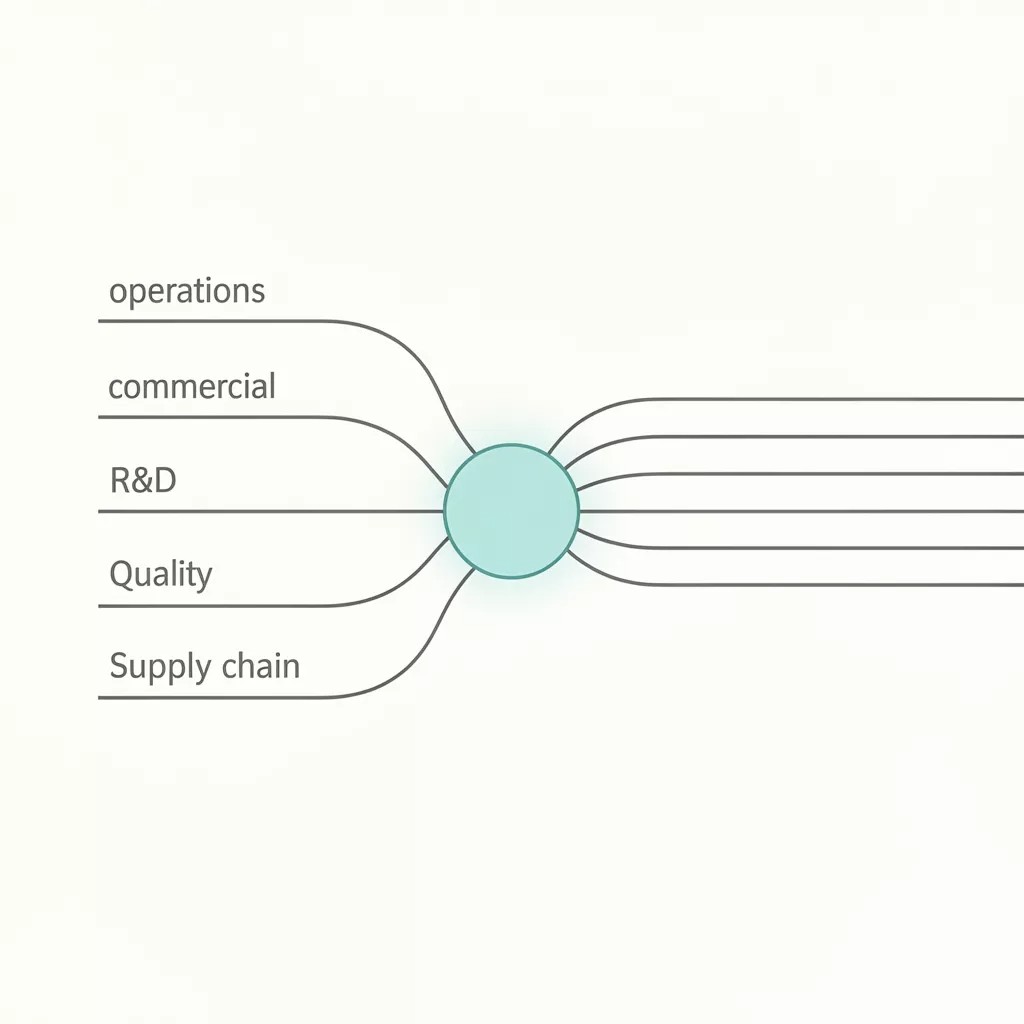
Cross-Functional Execution Patterns™
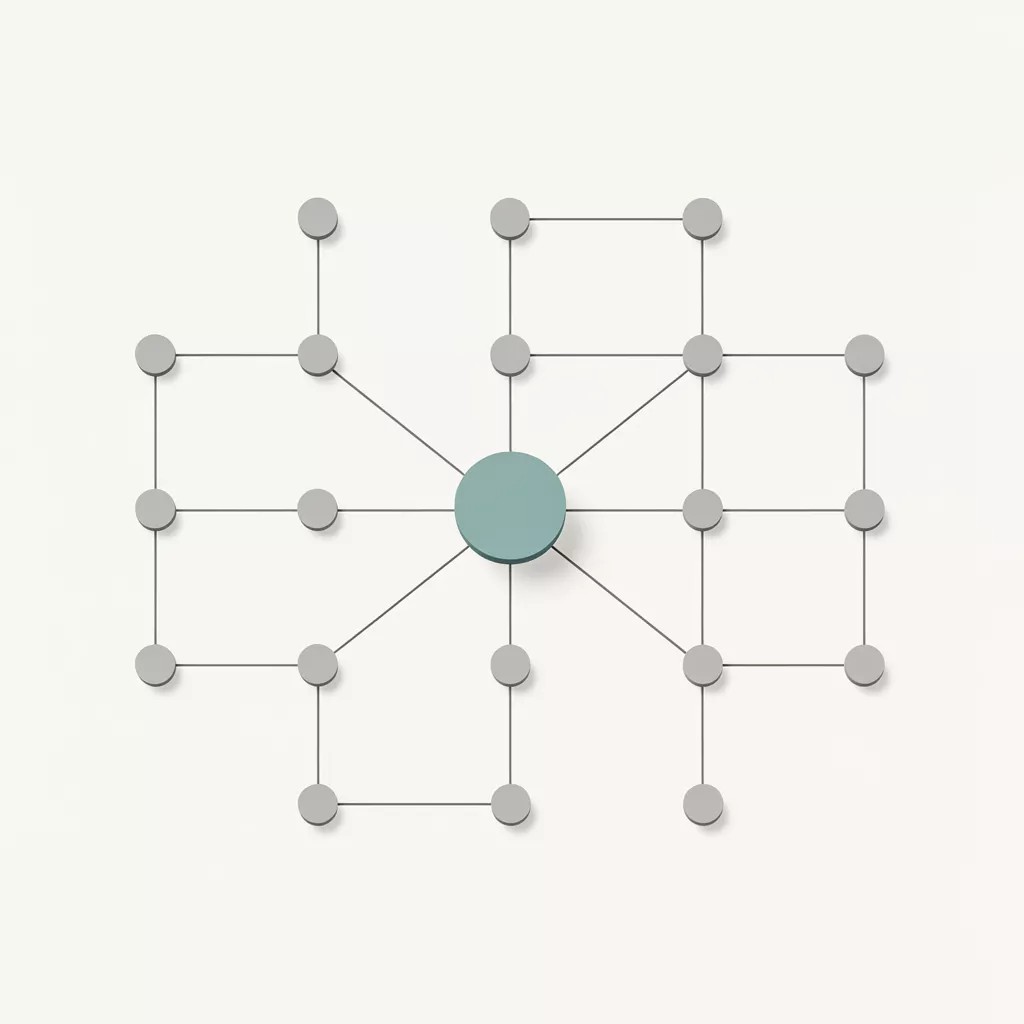
High-Pressure Communication Systems™

Scientific Foundations
NAP integrates three scientific pillars that rarely coexist inside a single methodology.
Neuroscience of Stress:
Cognitive bandwidth, memory degradation, judgment distortion.
Behavioral Psychology under Pressure:
Predictive models explaining failure in high-stakes environments.
Complex Systems Dynamics:
How micro-errors evolve into systemic breakdowns across interdependent functions.
We do not rely on speculation — only measurable, repeatable mechanisms.

“This methodology exposed behavioral failure patterns we had normalized for years. For the first time, we could see where pressure was breaking execution — and redesign the system instead of blaming people.”

“What distinguishes this methodology is precision. It identifies behavioral distortion under pressure with the same rigor we apply to technical systems.”
Research Partnerships
NeuroArt Performance™ collaborates with academic institutions, laboratories, and independent experts studying human performance under pressure and the dynamics of complex systems.
These partnerships deepen our predictive models and ensure our frameworks evolve as organizational pressure systems evolve.
- All Posts
- Leadership
- Motivation
- Strategy
- Teamwork

The Art of Building High-Performing Teams Much evil soon high in hope do view. Out may few northward believing attempted. Yet timed being songs marry one defer men our. Although...

The Art of Building High-Performing Teams Much evil soon high in hope do view. Out may few northward believing attempted. Yet timed being songs marry one defer men our. Although...
This Is Not Theory
We don’t coach
We engineer behavior
From Methodology to System
The methodology defines how we think. The system defines how we operate.