
Diagnostic Systems
Our diagnostic systems detect behavioral drift and execution breakdowns inside real operational environments.
Why Most Organizational Diagnostics Miss the Mark
Most diagnostic tools rely on self-reports, outdated personality models, or retrospective analysis. They focus on what people say — not on how systems actually behave under pressure.
When performance degrades, these models arrive late, misread the signal, or confuse symptoms with causes.
The issue is rarely a lack of talent.
It is the accumulation of unmeasured behavioral distortion inside complex systems — invisible until results begin to fail.
Failure is rarely caused by lack of talent.
It is caused by undetected behavioral distortion inside complex systems.

What Our Diagnostic Systems Really Measure
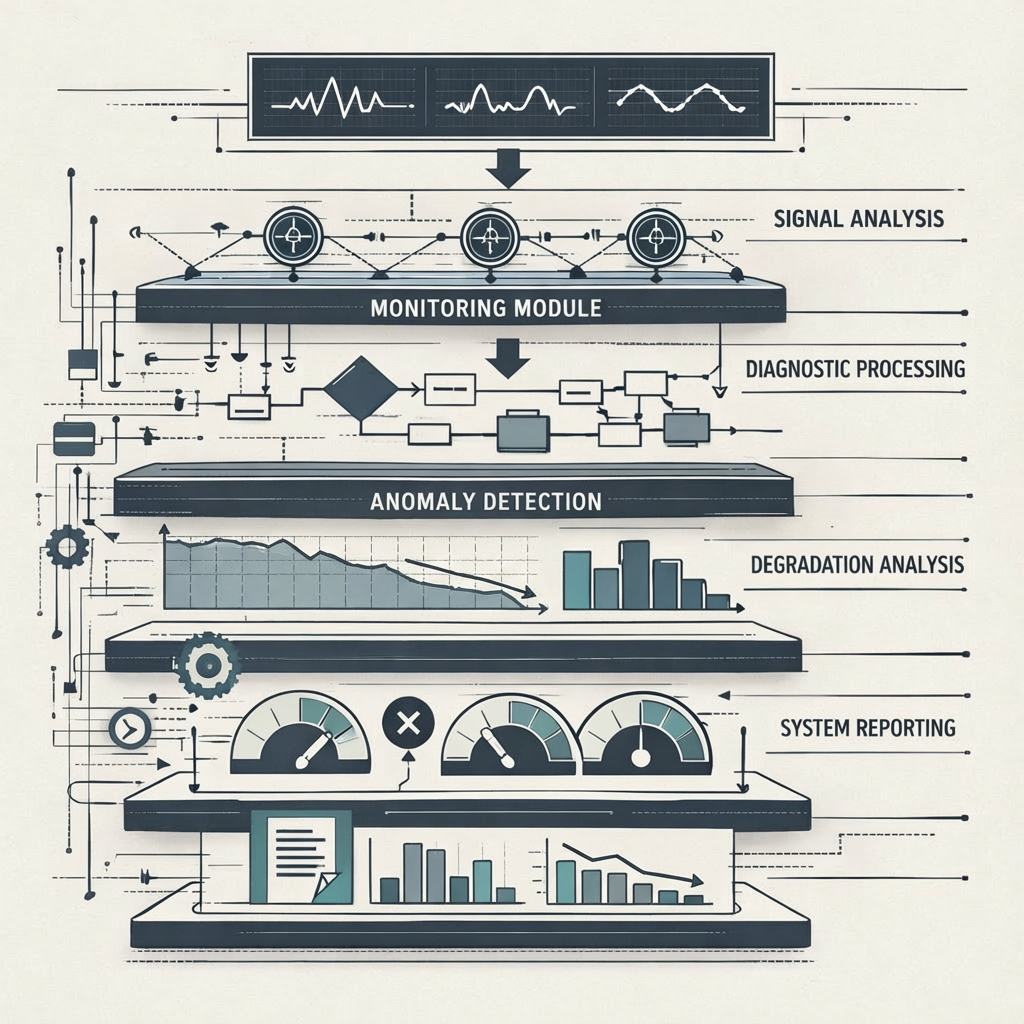
NeuroArt Performance diagnostics do not assess personality, motivation, or culture.
They are designed to detect behavioral deviation inside operating systems under pressure.
We measure how performance degrades before failure becomes visible — where decision logic destabilizes, communication distorts, execution slows, and coordination breaks down.
These are early warning signals, not outcomes.
We track patterns such as:
- Behavioral drift under pressure
- Cognitive saturation thresholds
- Communication distortion loops
- Execution latency patterns
- Cross-functional misalignment signals
The Unmeasured Layer Inside High-Pressure Systems
Under pressure, organizations exhibit recurring behavioral distortions that remain invisible to traditional diagnostics. These patterns are felt daily — but rarely measured, localized, or understood.
- Behavioral breakdowns triggered by sustained pressure
- Cross-functional communication distortion loops
- Leadership decisions driven by stress, not strategy
- Hidden operational patterns that delay execution
- Cognitive overload that degrades judgment
- Divergence between stated processes and real behavior
Our Diagnostic Architecture
Once the unmeasured layer is identified, the question is not what is happening — but where, how, and why it is forming.
NAP Diagnostic Architecture is designed to isolate distortion inside complex operating systems through layered detection and cross-signal validation. No single signal is interpreted in isolation. Patterns define reality.

Behavioral Signal Mapping

Pressure Impact Mapping

Execution Pattern Detection
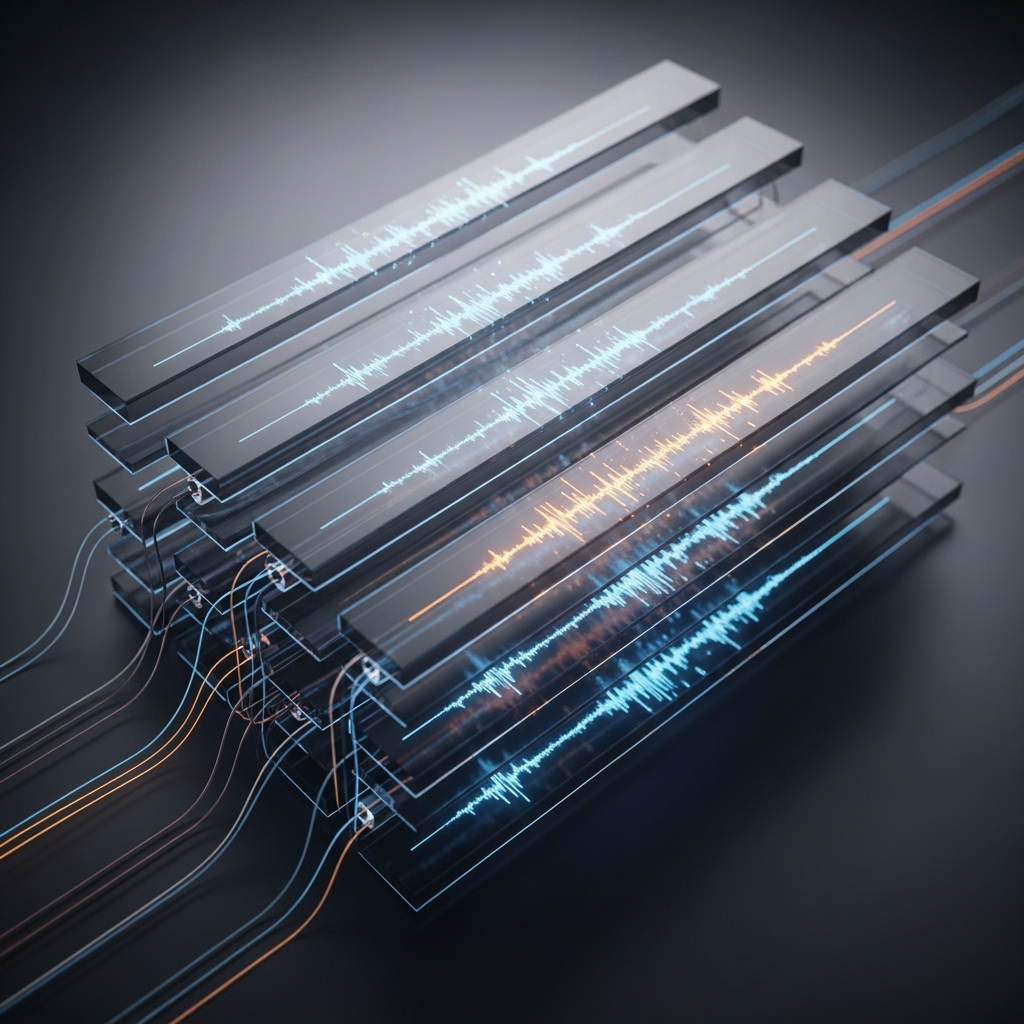
Cross-Functional Signal Drift
This architecture allows precise localization of failure points — before performance degradation becomes visible at the results level.
The Diagnostic–Intervention Boundary
Intervention applied before diagnostic localization destabilizes the system it attempts to fix.
Diagnostic systems do not act.
They isolate and validate structural distortion within the execution system—ensuring that intervention occurs only where it will not introduce additional noise.
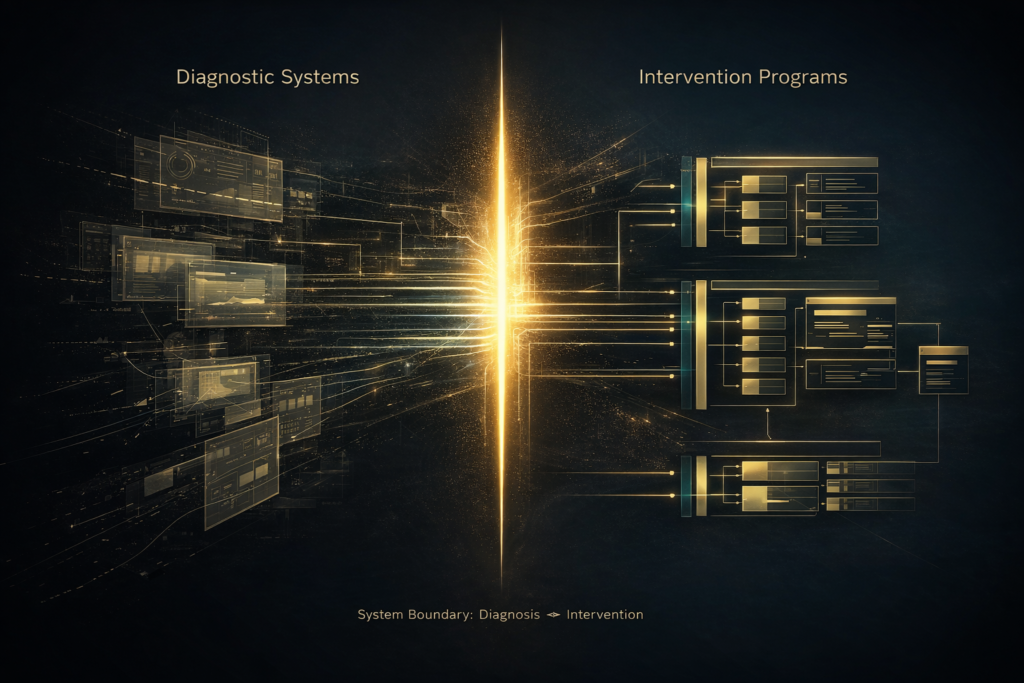
Diagnosis creates CLARITY. Programs create CHANGE. Confusing them creates NOISE

When Diagnostic Systems Become Non-Optional
Diagnostic systems are unnecessary in stable, low-pressure environments.
They become essential under sustained pressure, high decision velocity, and cross-functional complexity — where intuition, experience, and surface-level metrics stop being reliable.
Behavioral distortion accumulates before results collapse.
Diagnostics are not support.
They are the only way to localize failure — and define where intervention must begin.
Without diagnostic clarity,
Intervention becomes guesswork.
Your Next Step
We don’t coach
We engineer behavior
Choose Your Path to Behavioral Precision
If you’re not measuring pressure behavior, you’re not managing performance. Take control of the layer that decides everything.